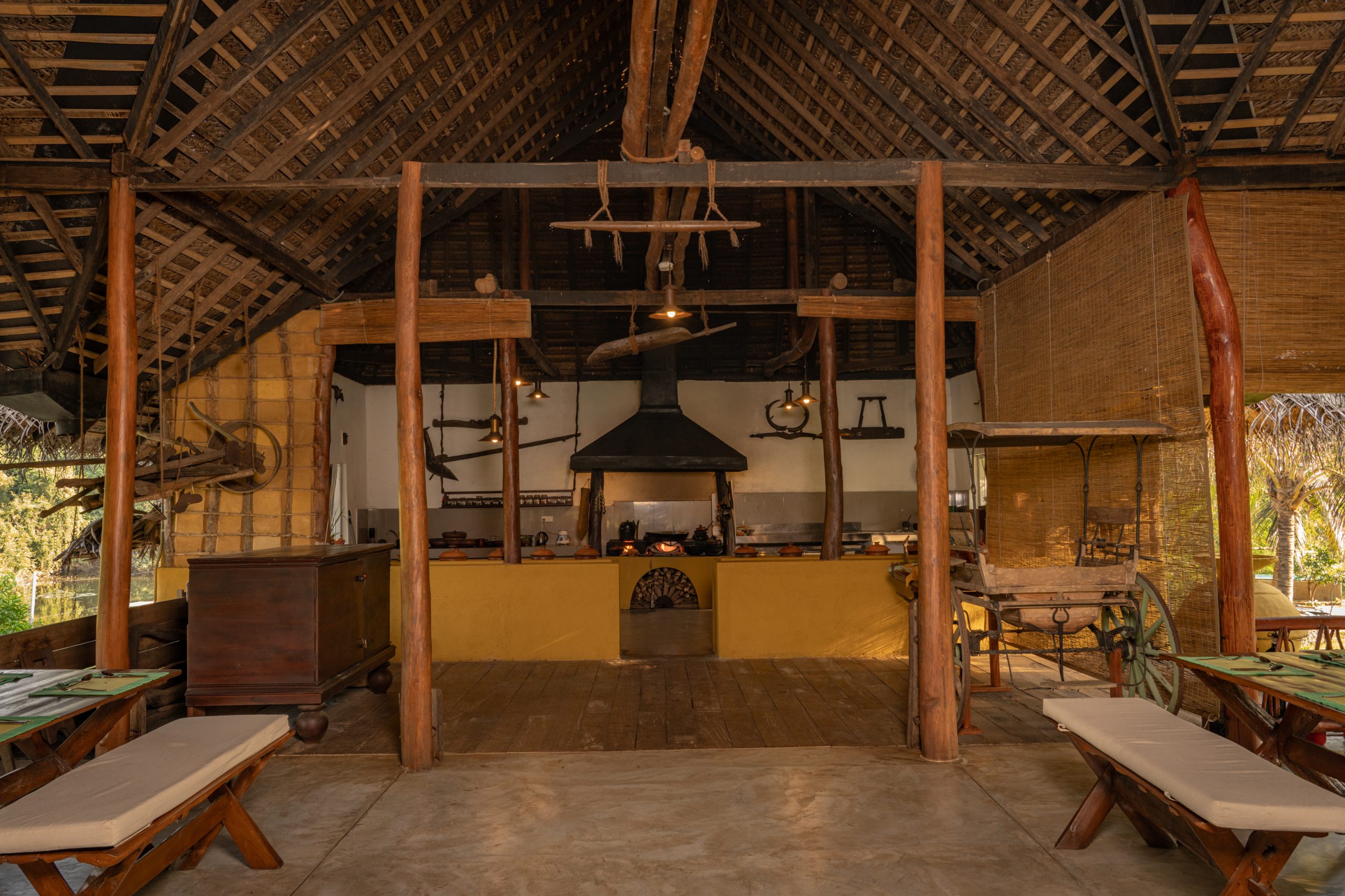
In many Sri Lankan village homes, the kitchen is not defined by chrome appliances or sleek counters. It lives around the Dara Lipa, a simple clay hearth built low to the ground, where wood embers glow, and meals simmer. At Amuna Ayurveda & Wellness Retreat, this humble structure has been lovingly brought into a luxurious context, becoming a quiet hero behind the retreat’s most memorable flavours.
A Dara Lipa is formed from earth, shaped into a thick, horseshoe-like base that cradles firewood and supports clay pots above. It’s a blueprint refined over generations: the clay holds heat, the fire burns low and steady, and the food cooks gently, absorbing warmth rather than shock. For the village cooks who grew up tending these hearths, the Dara Lipa is as much a part of their identity as the recipes they learned at home.
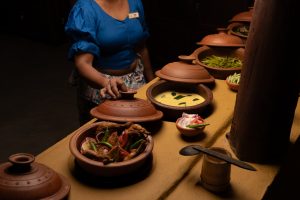
At Amuna, many of the chefs come from nearby communities where cooking on a clay hearth is still a living tradition. When they step into the retreat’s kitchen, they bring that intuitive knowledge with them: how to judge temperature by the scent of the smoke, how to layer spices so they bloom slowly, how to give each dish time to become itself.
From an Ayurvedic perspective, this matters. Ayurveda is clear about the importance of agni, the digestive fire, and prefers food that has been cooked with gentle, consistent heat. A Dara Lipa is perfectly aligned with this principle. Vegetables, grains and pulses are simmered rather than scorched, preserving nutrients and making dishes easier to digest. Oils don’t reach their smoking point so quickly, and spices like turmeric, cumin and coriander are allowed to marry into the food instead of sitting on its surface.
For guests, the impact is immediate, though often first felt at the level of comfort rather than theory. Rice and curries taste deeper and more rounded; herbal broths feel soothing rather than heavy; even simple steamed greens have a resonance you might not expect. You may not know that the dish came from a clay hearth, but you can sense that it was cooked with patience.
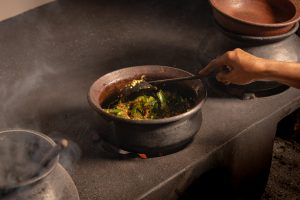
The Dara Lipa also carries a cultural story into every meal. In village life, it has long been the centre of the home; the place where families gather, where news is shared, where mothers teach children how to cook. By keeping this method alive, Amuna is not just following a trend in “authentic cuisine”; it’s honouring a social ritual that has held communities together for centuries.
Practically, meals cooked over Dara Lipa at Amuna often feature local produce: red rice from nearby fields, seasonal vegetables, coconut milk, and herbs from the retreat’s own garden. This reinforces a sense of locality. You are not just eating “Ayurveda food”; you are tasting this specific landscape in Dambulla, translated through fire, clay and human touch.
If you’re a traveller who cares about how your food is cooked as much as what’s on the plate, the Dara Lipa tradition at Amuna offers a rare opportunity. It lets you experience village-style cooking within the calm structure of a wellness retreat in Sri Lanka, where every meal is simply working in your favour.